

Air conditioning feels like a straightforward upgrade: you install it, your home cools down, and you feel better. Many Devon and Cornwall homeowners assume this is the whole story. But the reality is more layered. AC can genuinely protect your health during summer heat, yet the same system, if poorly maintained or used without proper ventilation, can circulate pollutants, trigger allergies, and create conditions that make breathing harder. Understanding that nuance is what separates a cooling system that helps your household from one that quietly works against it.
Table of Contents
- How does air conditioning reduce heat-related health risks?
- The complex link between indoor air quality and AC systems
- The importance of ventilation and air exchange
- Best practices: Combining AC, filtration, and maintenance for healthier homes
- Why air conditioning alone is not the magic bullet for home health
- Expert help for healthier, more comfortable homes
- Frequently asked questions
Key Takeaways
| Point | Details |
|---|---|
| AC reduces heat risks | Air conditioning can lower the chance of heatstroke, but is not a complete safeguard. |
| Ventilation is critical | Fresh air exchange and pollutant control are essential alongside air conditioning for healthy homes. |
| Maintenance matters | Regular cleaning and servicing of AC units prevent negative impacts on air quality and health. |
| Filtration offers extra benefit | Choosing systems with effective filters helps trap dust, allergens, and pollutants. |
How does air conditioning reduce heat-related health risks?
Summers in Devon and Cornwall are changing. The region still benefits from sea breezes and milder temperatures compared to inland areas, but increasingly intense heat spells are becoming a real concern for homeowners, particularly those with young children, elderly relatives, or underlying health conditions. Understanding what AC can and cannot do for your safety during those periods matters enormously.
Residential air conditioning reduces the risk of heat exhaustion, heat cramps, and heat stroke by keeping indoor temperatures within a safe range. When the body cannot shed heat fast enough, core temperature rises, and serious illness follows quickly. A well-sized air conditioning system keeps a room at a stable, comfortable temperature, giving your body the relief it needs during prolonged hot spells.
Key fact: Heat-related illness becomes significantly more likely when indoor temperatures remain above 26°C overnight, preventing the body from recovering during sleep. AC is one of the few interventions that directly addresses this.
That said, it is important to recognise that AC does not eliminate heat risk entirely. Factors like hydration, physical activity, medication use, and how much time you spend outdoors all affect how your body copes with heat. The air conditioning benefits for your area are real, but they work best as part of a broader summer comfort strategy.
Multiple strategies for safe summer comfort in Devon and Cornwall:
- Use AC to maintain bedroom temperatures below 24°C overnight during heat spells
- Keep hydrated even when indoors and feeling cool
- Use blinds and shutters to reduce solar gain before it enters the room
- Avoid heavy cooking during peak afternoon heat
- Check on vulnerable neighbours and family members during prolonged warm periods
Pro Tip: Set your AC to around 22 to 24°C rather than the lowest possible temperature. Overcooling creates a large temperature difference between inside and out, which stresses the body when you move between spaces and can actually worsen fatigue. Good climate control tips focus on stability, not maximum cold.
The complex link between indoor air quality and AC systems
While AC can protect against heat, what happens to indoor air quality when the system runs for hours on end? Let us look closer.
Modern air conditioning units do more than cool air. They pull air across a filter, remove moisture, and redistribute treated air through the room. In theory, this means cleaner, drier, more comfortable air. In practice, the outcome depends heavily on how well the system is maintained and whether adequate fresh air is also entering your home.
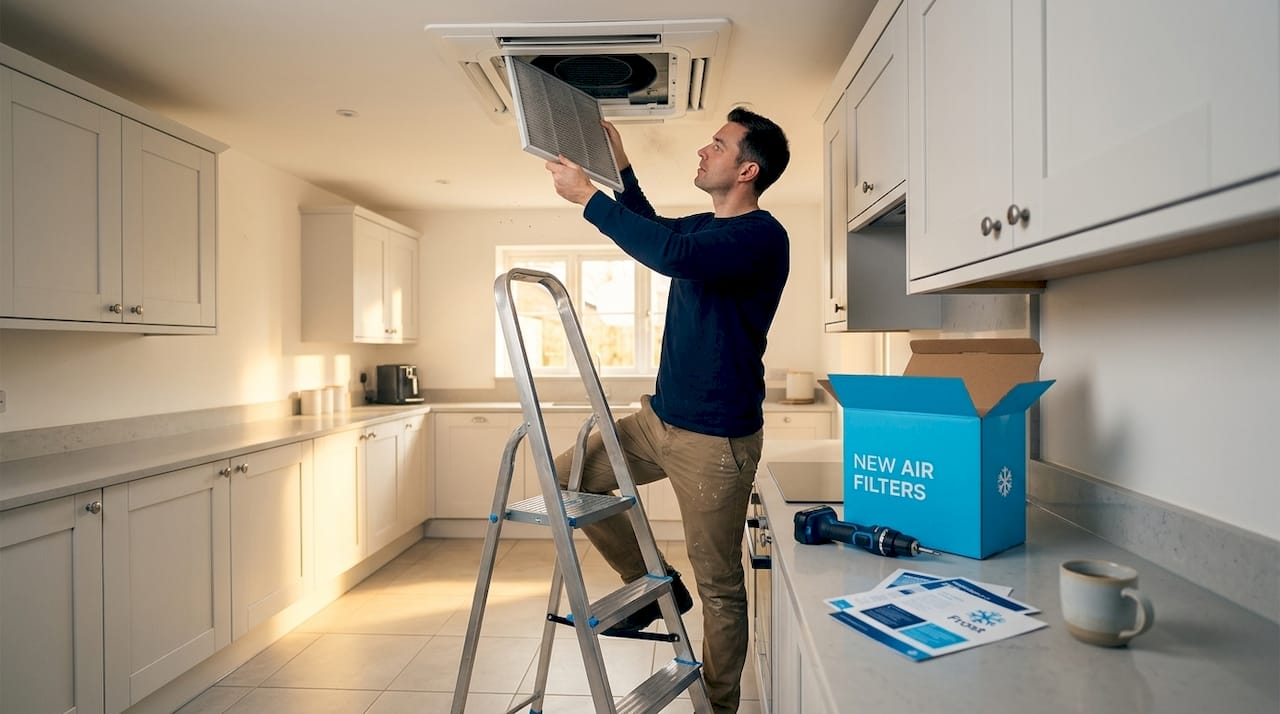
Poorly maintained AC systems can contribute to patterns associated with "sick building syndrome", a cluster of symptoms including headaches, eye irritation, fatigue, and worsening respiratory problems. When filters are clogged or damp, the system stops cleaning the air and starts redistributing dust, mould spores, and other particles instead.
Indoor PM2.5 levels in UK homes frequently exceed recommended thresholds, particularly during cooking, cleaning, and periods when outdoor air quality is poor. Fine particulate matter at this size penetrates deep into the lungs and poses genuine risks for people with asthma or cardiovascular conditions. AC cannot address this problem on its own without proper filtration and regular upkeep.
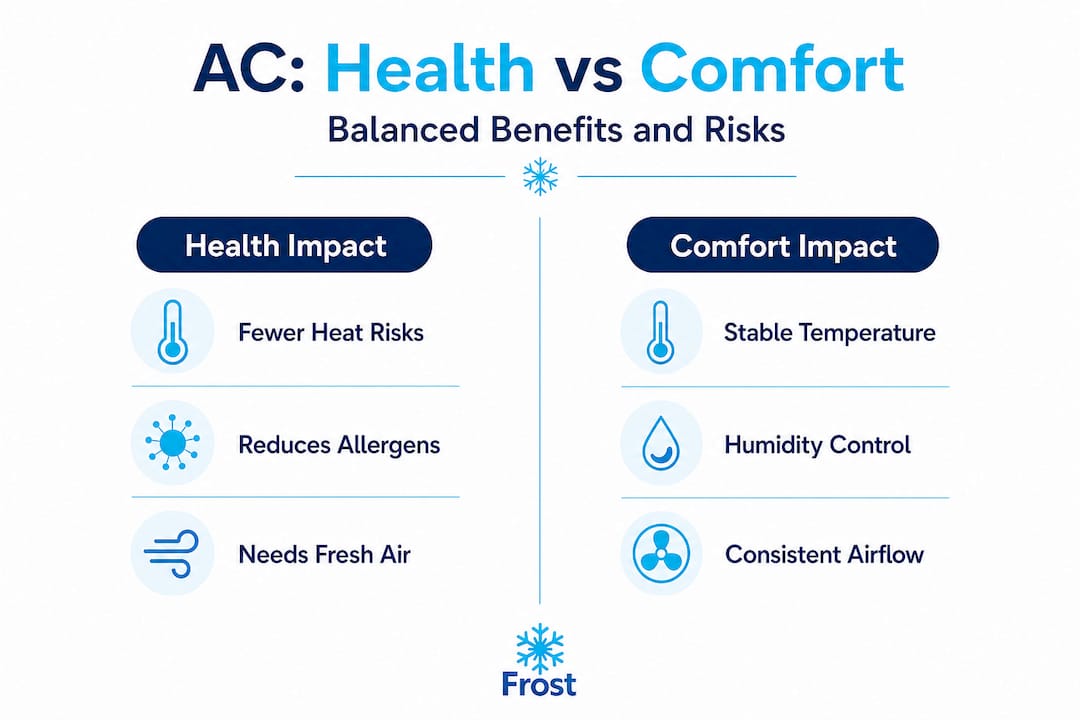
| Factor | AC benefit | AC risk if poorly managed |
|---|---|---|
| Temperature | Lowers risk of heat illness | Overcooling causes discomfort |
| Humidity | Reduces excess moisture | Can dry air too much, irritating airways |
| Particulates | Filters can trap particles | Clogged filters recirculate pollutants |
| Mould | Lower humidity discourages growth | Drain pan or filter mould spreads easily |
| Ventilation | None without dedicated intake | Recirculated air becomes stale |
Understanding the pros and cons of AC systems gives you a realistic picture of what you are investing in and what you need to manage alongside it. A system that is serviced annually and fitted with quality filters is a very different proposition to one that has been running without attention for three years.
Pro Tip: If anyone in your household suffers from hay fever, asthma, or dust allergies, ask your installer specifically about filtration options. Units fitted with HEPA or activated carbon filters provide a meaningful improvement in air quality, particularly during high pollen seasons, which are increasingly prolonged across the South West.
The importance of ventilation and air exchange
Beyond temperature and filtering, the quantity and quality of outdoor air cycled into your home matters. This is where ventilation comes in, and it is an area that surprises many homeowners.
Most people assume that if they have an AC system running and their windows are closed, the air inside is being cleaned. This is not quite right. Standard split air conditioning units recirculate the air already inside your home. They cool and filter it on each pass, but they do not introduce meaningful volumes of fresh outdoor air. Over time, without opening windows or running a separate ventilation system, carbon dioxide, cooking vapours, and humidity from everyday activities accumulate.
Ventilation rate guidelines provide minimum thresholds for air changes per hour, but meeting these thresholds does not automatically guarantee healthy air. Research indicates that adverse health effects can occur even in buildings that technically meet ventilation standards, particularly when pollutant sources inside the home are significant. The ventilation target and the actual air quality are two different measurements.
Key ventilation strategies for UK homes with AC:
- Open windows briefly in the morning and evening when outdoor air quality is better
- Install trickle vents or passive ventilation alongside AC for background fresh air exchange
- Use extract fans in kitchens and bathrooms to remove moisture and cooking pollutants at source
- Consider mechanical ventilation with heat recovery (MVHR) in newer or well-insulated homes
- Monitor CO₂ levels with a simple plug-in monitor to understand when your home needs refreshing
| Ventilation approach | Fresh air provided | Works with AC | Cost level |
|---|---|---|---|
| Opening windows | Yes | Partly | Nil |
| Trickle vents | Yes (low volume) | Yes | Low |
| Extract fans | Removes stale air | Yes | Low to medium |
| MVHR system | Yes (controlled) | Yes | Higher |
| AC alone | No | N/A | Varies |
For homeowners in modern home ventilation options, particularly those in newer, well-sealed properties, this balance is especially important. Airtight construction dramatically reduces unwanted draughts, which is great for energy efficiency, but it also means deliberate ventilation becomes non-negotiable for healthy air.
Best practices: Combining AC, filtration, and maintenance for healthier homes
Bringing all these science-backed lessons together, what can you actually do differently when choosing or running air conditioning at home?
The single most important principle is this: AC works best as part of a system, not as a standalone solution. A well-chosen unit, fitted with proper filtration, sized correctly for the room, and maintained regularly, will deliver genuine comfort and health benefits. Cutting corners on any one of those factors reduces the benefit significantly.
Combining cooling with adequate ventilation and correct sizing is among the most practical design principles for UK homeowners installing AC. An oversized unit cools a room too quickly, cycles off before it has adequately dehumidified the air, and leaves behind that clammy, damp feeling many people mistakenly attribute to the system "not working properly." An undersized unit runs continuously and still struggles on the hottest days.
Step-by-step approach to healthier home cooling:
- Choose the right unit size. Work with an installer who conducts a proper room-by-room assessment rather than offering a one-size approach. Choosing the right AC for your home is the foundation of everything else.
- Specify filtration quality. Standard filters handle dust and larger particles. If your household has allergy or asthma sufferers, ask about upgraded HEPA or carbon filtration options.
- Set sensible temperatures. Aim for 21 to 24°C. Anything below 18°C can dry airways, trigger muscle tension, and cause discomfort when moving outdoors.
- Clean filters monthly during active use. A blocked filter does not just reduce efficiency; it actively worsens indoor air quality.
- Book annual professional servicing. An F-Gas certified engineer will check refrigerant levels, drainage, coil condition, and electrical connections. Problems caught early are far cheaper than emergency call-outs.
- Inspect and clear the condensate drain. Blocked drains allow standing water to accumulate, which becomes a breeding ground for bacteria and mould inside the unit.
- Plan ventilation alongside your AC use. Build a simple habit of airing the house briefly morning and evening to refresh indoor air, even in summer.
Maintaining your system does not need to be complicated or expensive, but it does need to happen consistently. Homeowners who service their units regularly report better performance, lower energy bills, and far fewer unexpected breakdowns. Picking up energy-efficient cooling tips alongside your maintenance routine keeps running costs manageable too.
Pro Tip: After any period where the AC has sat unused for months, run it for 30 minutes with windows slightly open before returning to normal use. This clears any stale air or light mould that may have built up in the system during the off-season and freshens the room before you close up for the day.
Why air conditioning alone is not the magic bullet for home health
Stepping back from product choices, let us get honest about what truly makes for a healthy, comfortable home in practice, especially in our climate.
We encounter this situation regularly in Devon and Cornwall. A homeowner installs a good quality AC unit, expects it to transform their indoor environment, and then feels vaguely disappointed that the air still feels stuffy, or their allergies still flare up, or the bedroom feels oddly dry by morning. The system is not at fault. The expectation is.
The honest truth is that if your primary health goal is better indoor air, AC alone may not be sufficient. Ventilation strategy, pollutant source control, and routine maintenance often determine whether your health actually improves. The AC is a powerful tool in that strategy, but it is not the whole toolkit.
What makes Devon and Cornwall homes particularly interesting is their variety. Coastal properties face salt air ingress, higher humidity from the sea, and seasonal occupancy patterns that mean systems sit unused for extended periods then run intensively during the summer visitor season. Older stone cottages have entirely different thermal and damp characteristics compared to modern estates on the outskirts of Exeter or Plymouth. National guidance rarely accounts for this level of local variation.
The best indoor environments we see are homes where the owner thinks about all three elements together: managed temperature through a correctly sized and serviced AC unit, filtered and regularly refreshed air through a combination of AC filtration and deliberate ventilation, and routine attention to home habits like cooking extraction, damp management, and seasonal maintenance. That combination is not complicated or expensive. But it does require treating air conditioning as a system to manage, not a product to install and forget.
For local context and experience with domestic air conditioning in Devon and Cornwall, the variables that matter most are system sizing, installation quality, and the habit of consistent maintenance. Get those right and the health benefits become real and lasting.
Expert help for healthier, more comfortable homes
Taking action on everything covered here is much easier with local expertise on your side. At Frost Air Conditioning, we work specifically with homeowners across Devon and Cornwall, understanding the region's coastal climate, older property stock, and the specific challenges that come with it.

We are F-Gas certified, offer same-day installs where needed, and provide 0% finance options to make quality cooling accessible without upfront financial pressure. Whether you are starting from scratch or reassessing an existing system, our team will assess your space properly, recommend the right unit and filtration for your household, and talk you through ventilation strategies that complement your new installation. Get your personalised air conditioning quote today and take the first step towards a home that is genuinely cooler, cleaner, and healthier all year round.
Frequently asked questions
Can air conditioning remove allergens and dust from my home?
Modern AC units with advanced filtration such as HEPA or carbon filters can trap airborne particles effectively, but complete allergen removal also requires regular filter maintenance and adequate ventilation to prevent recirculation.
Does running air conditioning lower the risk of heatstroke during UK heatwaves?
Yes. Residential AC reduces the risk of adverse heat-related health outcomes, but it does not entirely eliminate danger, particularly for people with underlying conditions who also need to stay hydrated and avoid excessive physical activity during extreme heat.
Could air conditioning make my respiratory symptoms worse?
It can. Inadequate ventilation and mould inside poorly maintained AC systems are associated with worsened respiratory symptoms and asthma, which is why regular servicing and filter cleaning are non-negotiable for households with sensitive members.
Is it enough to follow ventilation rate recommendations for a healthy home?
Not necessarily. Adverse health effects can occur even when minimum air change targets are met, meaning source control, filtration quality, and active maintenance are all equally important components of healthy indoor air.
What routine maintenance does a home AC system need for best health?
Clean or replace filters monthly during periods of active use, check the condensate drain for blockages regularly, and book an annual professional service with an F-Gas certified engineer who can inspect refrigerant levels, coil condition, and drainage to keep the system operating efficiently and safely.