

Modern air conditioning is defined as a climate control system that combines variable-speed compressors, smart controls, and advanced filtration to deliver efficient, year-round comfort. For homeowners in Devon and Cornwall, where Atlantic humidity makes summers sticky and winters damp, the case for upgrading goes well beyond simple cooling. Today's systems from brands like Mitsubishi Electric and Daikin offer reverse-cycle heating, precise humidity management, and energy savings that older units simply cannot match.
Why choose modern air conditioning over older systems?
The single strongest reason to upgrade is energy cost. Upgrading from a 10 SEER system to a 16–18 SEER2 unit reduces cooling energy consumption by 35–45%. That translates directly to lower electricity bills every month, not just in summer.
The technology driving those savings is the variable-speed compressor. Older units switch fully on or fully off, which wastes energy on repeated high-draw startups. Variable-speed compressors modulate output, running at 30%, 50%, or 90% capacity depending on demand. The result is steadier temperatures, quieter operation, and far less wear on the unit itself.
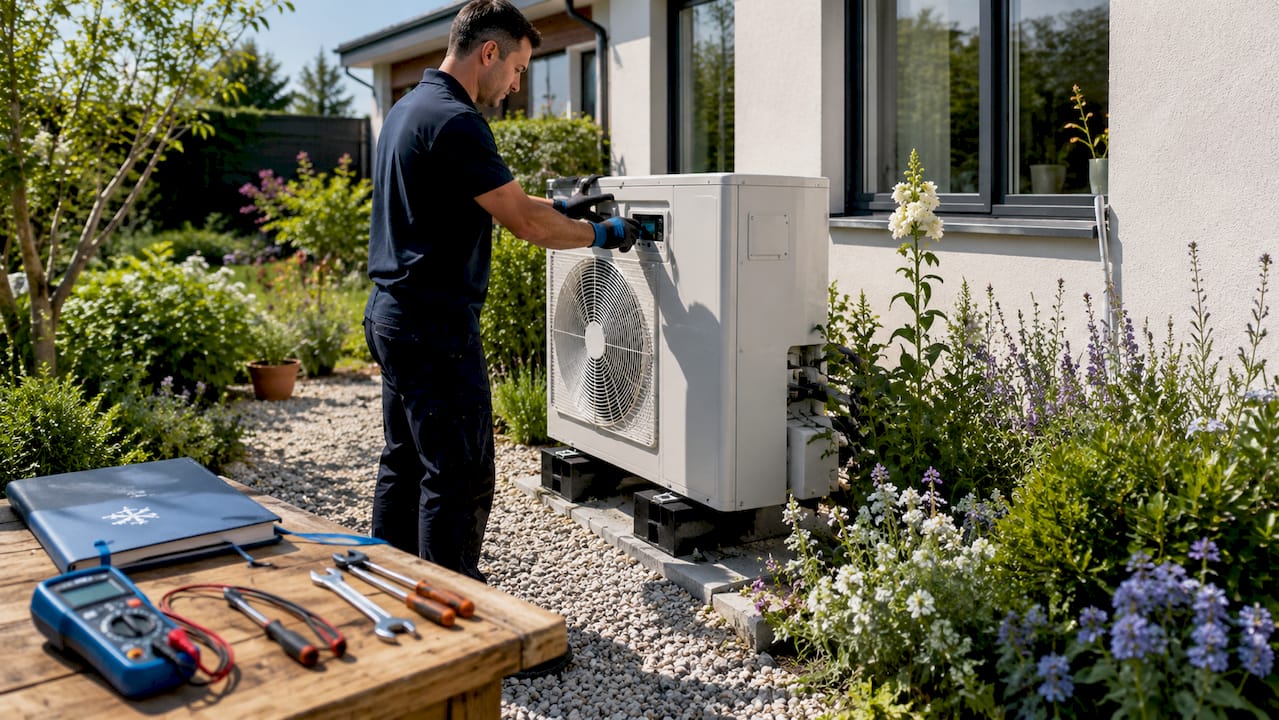
Smart controls add another layer of savings. Smart thermostats allow programmable schedules and zoned cooling, so you only condition the rooms you are actually using. For a three-bedroom home in Exeter or Truro, that precision can make a meaningful difference to your annual energy spend.
Modern systems also use eco-friendly refrigerants such as R-32, which carry a significantly lower global warming potential than the R-22 refrigerant found in older units. Choosing a newer system is therefore both a financial and an environmental decision.
Pro Tip: Ask your installer for a Manual J load calculation before purchasing. Correct sizing prevents the poor dehumidification and wasted energy that come from an oversized or undersized unit.
What indoor air quality improvements can you expect?
Air quality is where modern systems genuinely surprise homeowners. HEPA filters in modern AC units capture 99.97% of particles as small as 0.3 microns, including pollen, dust mite debris, and mould spores. For anyone in Devon and Cornwall with hay fever or asthma, that filtration level is a practical health benefit, not a marketing claim.
Poor ventilation and heat discomfort are linked to cognitive performance drops of 6–9%. Maintaining a cool, well-filtered indoor environment supports concentration and sleep quality, particularly during the humid summer months common along the South West coast.
Humidity control is the feature most homeowners overlook. Modern AC systems provide dedicated dehumidification that remains active even when the unit is not actively cooling, keeping indoor humidity within the ideal 40–60% range. In Devon and Cornwall, where coastal air regularly pushes indoor humidity above 70%, this function prevents mould growth and reduces dust mite populations without you needing to do anything.
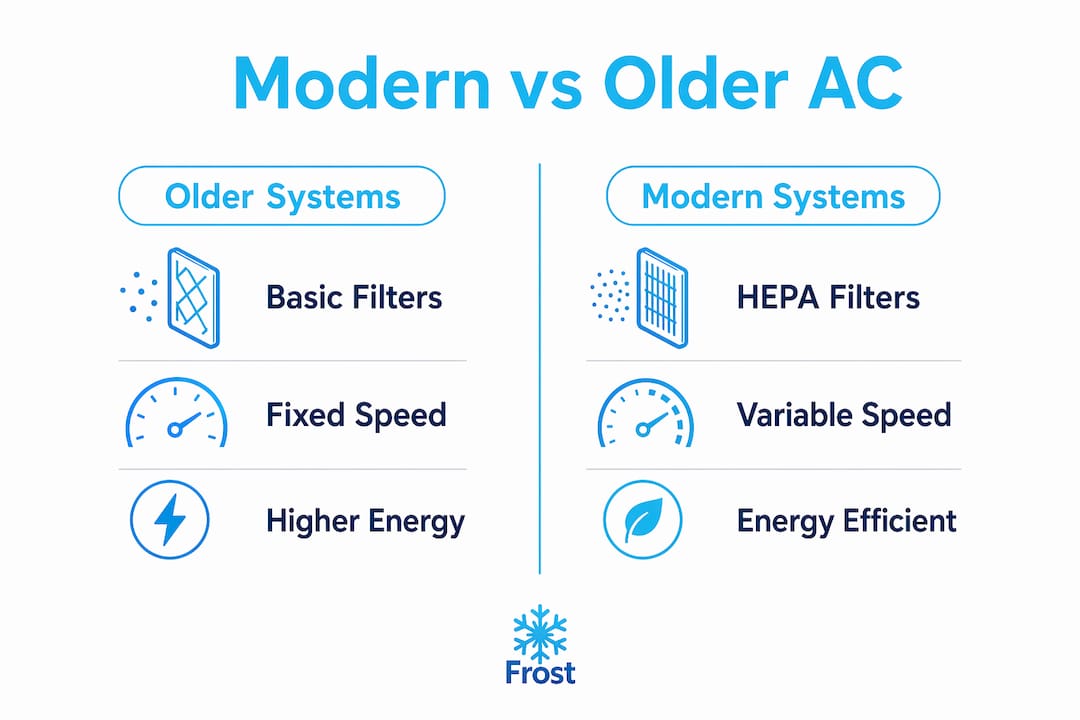
Here is how older and newer systems compare on air quality:
| Feature | Older Systems | Modern Systems |
|---|---|---|
| Filtration level | Basic fibre filters | HEPA or high-MERV filters |
| Humidity control | Passive, cooling-only | Dedicated dehumidification |
| Allergen removal | Minimal | 99.97% of 0.3-micron particles |
| Mould prevention | Limited | Active humidity management |
| Ventilation quality | Fixed airflow | Variable, demand-controlled |
Pro Tip: If you or anyone in your household suffers from allergies, ask specifically about air quality improvements when comparing units. Filter grade varies significantly between models at similar price points.
Which system types suit devon and cornwall homes best?
Choosing the right system type matters as much as choosing the right brand. Devon and Cornwall homes vary widely, from Victorian terraces in Plymouth to granite farmhouses on Bodmin Moor, and the correct system depends on your property's structure and your usage pattern.
The four main options worth considering are:
-
Ductless mini-split systems. Mini-splits are the practical choice for homes without existing ductwork, which covers the majority of older South West properties. A single outdoor unit connects to one or more indoor heads, requiring only a small hole through the wall. No structural overhaul is needed.
-
Reverse-cycle heat pumps. These provide both heating and cooling from one unit. Reverse-cycle heat pumps operate at 250–300% efficiency for heating, compared to a gas boiler at roughly 95%. For homeowners looking to reduce gas dependency, this is the most cost-effective long-term option.
-
Multi-room systems. One outdoor unit serves multiple indoor heads across different rooms. This suits larger homes or properties with loft conversions, where temperature management across floors is a common problem.
-
Portable and window units. These are lower cost upfront but significantly less efficient and less capable on humidity control. They suit temporary use or single rooms rather than whole-home comfort.
Homes with south-facing windows or loft conversions should prioritise air conditioning upgrades due to higher heat gain. A loft room in summer can reach temperatures that make sleep impossible without active cooling.
Professional installation and a proper load calculation are non-negotiable. Incorrect unit sizing leads to poor dehumidification and inefficient operation, regardless of how advanced the system is. The rule of thumb is approximately 20 BTU per square foot, adjusted for ceiling height, insulation, and window area.
For a detailed breakdown of which system suits your property type, the types of air conditioning for UK homes guide covers the full range of options with practical comparisons.
What practical lifestyle advantages do modern systems offer?
Beyond energy bills and air quality, modern air conditioning changes how your home feels to live in day to day. The improvements are tangible from the first week of use.
Noise is the first thing most homeowners notice. Modern units operate silently due to advances in compressor design, insulated cabinets, and fan blade aerodynamics. Homeowners consistently report surprise at how quiet new systems are compared to the rattling window units or noisy older splits they replaced.
Smart connectivity gives you control from anywhere. Smart AC systems support remote control via smartphone apps, programmable schedules, and zoned temperature management. You can cool the bedroom before you go upstairs, or turn the system off remotely if you forgot before leaving the house.
Maintenance has also become far less burdensome. Modern units include self-diagnostic functions that flag filter cleaning reminders and fault codes before a small issue becomes a costly repair. Combined with longer component lifespans from variable-speed operation, the total cost of ownership over ten years is considerably lower than with older equipment.
Humidity control ties all of this together. Keeping indoor humidity below 60% prevents the musty smell that many South West homes develop in autumn, protects timber floors and furniture, and reduces the condensation that leads to mould on window frames and walls.
Pro Tip: Schedule an annual service to keep your system running at peak efficiency. Frostairconditioning offers service and maintenance packages that protect your investment and maintain manufacturer warranties.
Key takeaways
Modern air conditioning is the most cost-effective way for Devon and Cornwall homeowners to control energy costs, indoor air quality, and year-round comfort from a single system.
| Point | Details |
|---|---|
| Energy cost savings | Upgrading to a 16–18 SEER2 unit cuts cooling energy use by 35–45% versus older models. |
| Humidity control | Dedicated dehumidification keeps indoor humidity at 40–60%, preventing mould in coastal homes. |
| System selection matters | Mini-splits and reverse-cycle heat pumps suit most South West properties without ductwork. |
| Air quality gains | HEPA filtration removes 99.97% of fine particles, benefiting allergy and asthma sufferers. |
| Smart operation | Remote control and self-diagnostics reduce running costs and maintenance burden over time. |
What i have learned installing AC across devon and cornwall
After years of working on homes across the South West, the pattern I see most often is this: homeowners wait too long, then upgrade in a rush during a heatwave and end up with a system that is either too large or poorly positioned.
The humidity issue here is genuinely underestimated. Most people think about air conditioning as a summer cooling tool. What they do not realise until they have lived with a modern system is that the dehumidification running quietly in the background through September and October is what actually makes their home feel different. Mould on north-facing walls, condensation on single-glazed windows, that persistent damp smell in older properties. A properly sized system with active humidity control addresses all of that.
The other misconception I encounter regularly is that reverse-cycle systems are complicated or expensive to run in winter. They are not. A well-specified heat pump running in heating mode during a mild Devon winter is cheaper to operate than a gas boiler, and it provides the same unit you use for cooling in July. That dual-function value is something older systems simply cannot offer.
My honest recommendation for most homes in this region is a ductless mini-split with reverse-cycle capability, professionally sized and installed. The upfront cost is real, but the ten-year running cost picture is compelling. If you are comparing options, the how to choose an air conditioner guide is a solid starting point before you speak to any installer.
— James
Upgrade your home with Frostairconditioning
Frostairconditioning is an F-Gas certified air conditioning installer based in Exeter, covering Devon, Cornwall, and the wider South West. The team specialises in domestic air conditioning installation for homes of all sizes and ages, from modern new builds to older stone properties that need a ductless approach.

Same-day installs are available for homeowners who need a fast solution, and 0% finance options mean you do not have to delay upgrading because of upfront cost. Every installation is carried out by F-Gas certified engineers who conduct proper load assessments before recommending a system. If you are ready to find out which modern system suits your home, request a personalised quote and get a clear answer without any pressure.
FAQ
How much can i save by upgrading to a modern AC system?
Upgrading from an older unit to a modern 16–18 SEER2 system reduces cooling energy consumption by 35–45%. The exact saving depends on your current system's age, your home's size, and how frequently you run the unit.
Are modern air conditioning systems suitable for older devon and cornwall homes?
Yes. Ductless mini-split systems require only a small wall penetration and no existing ductwork, making them well-suited to older properties common across the South West. A professional load assessment confirms the correct system size for your specific property.
Can a modern AC system replace my heating as well as cool my home?
Reverse-cycle heat pumps provide both heating and cooling from a single unit. They operate at 250–300% efficiency for heating, making them more cost-effective than gas boilers for many South West homes with mild winters.
How does modern air conditioning help with mould and damp?
Modern systems include dedicated dehumidification that maintains indoor humidity within the 40–60% range, even when not actively cooling. This directly prevents the mould growth and dust mite activity that coastal humidity encourages in Devon and Cornwall homes.
Is professional installation necessary for a modern AC system?
Professional installation is required for F-Gas refrigerant handling by law in the UK, and it is also the only way to guarantee correct sizing. An incorrectly sized unit delivers poor dehumidification and higher running costs regardless of its specification.