
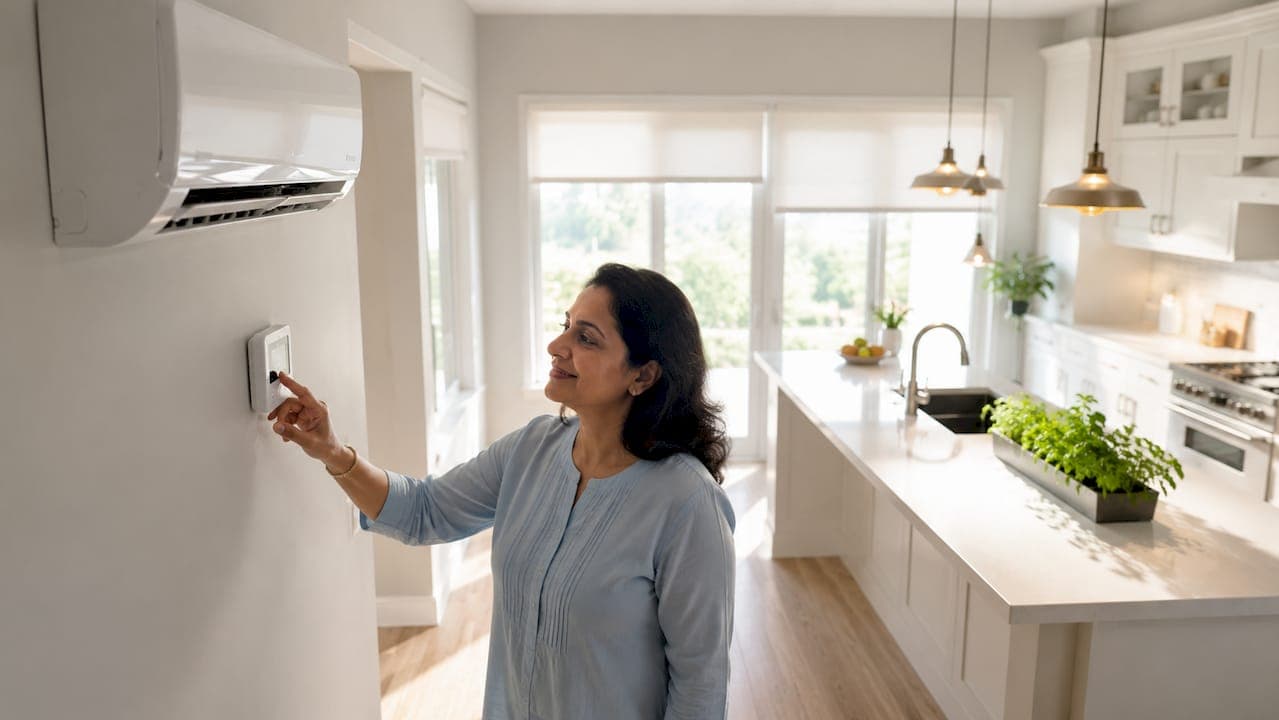
An energy efficient air conditioner is a cooling system designed to deliver consistent indoor comfort while consuming significantly less electricity than a standard model, measured primarily by the SEER2 rating. Upgrading to one of these systems can cut cooling costs by 20%–50% compared to older units. That is not a marginal gain. For homeowners and renters in the South West paying rising energy bills, the difference shows up clearly on every monthly statement. The key is understanding which metrics, technologies, and installation factors actually drive those savings.
What is an energy efficient air conditioner and how is efficiency measured?
Energy efficient air conditioning is the industry term for systems that meet or exceed defined performance thresholds set by regulatory standards. The primary metric in 2026 is the Seasonal Energy Efficiency Ratio 2 (SEER2), which measures how many BTUs of cooling a unit produces per watt-hour of electricity across a full cooling season. Higher SEER2 ratings indicate better efficiency. Premium ductless mini-split models can reach SEER2 ratings up to 35, while standard units typically fall in the 16–20 range. That gap translates directly into lower running costs over the life of the system.
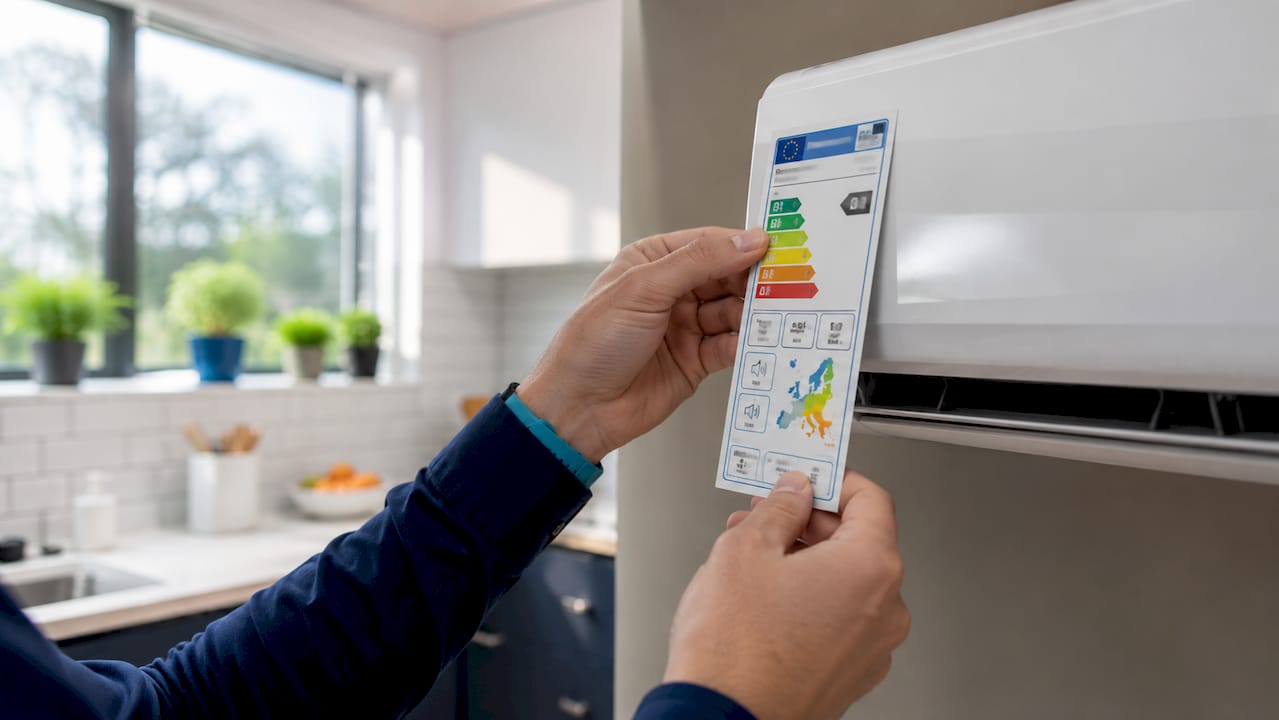
Window and portable units use a different metric: the Combined Energy Efficiency Ratio (CEER). Experts recommend CEER ratings of 12 or higher for solid energy performance. CEER accounts for both active cooling and standby power draw, giving a more complete picture of real-world energy use than older EER ratings alone.
How ratings compare in practice
| Rating type | Typical range | What it means for your bills |
|---|---|---|
| SEER2 (standard central/split) | 16–20 | Meets current minimum efficiency requirements |
| SEER2 (high-efficiency split) | 21–35 | Noticeably lower running costs year on year |
| CEER (window/portable) | 10–11 | Adequate but not optimal |
| CEER (high-efficiency window) | 12+ | Recommended for meaningful energy savings |
The practical takeaway is straightforward. A unit with a SEER2 of 25 will cost considerably less to run than one rated at 16, even if the upfront price is higher. Lifecycle costs favour high-efficiency units because lower bills and rebate eligibility often recover the price difference within a few years.
What technologies make energy saving AC units so effective?
The efficiency gains in modern air conditioners come from specific engineering choices, not vague improvements. Three technologies account for most of the real-world difference.
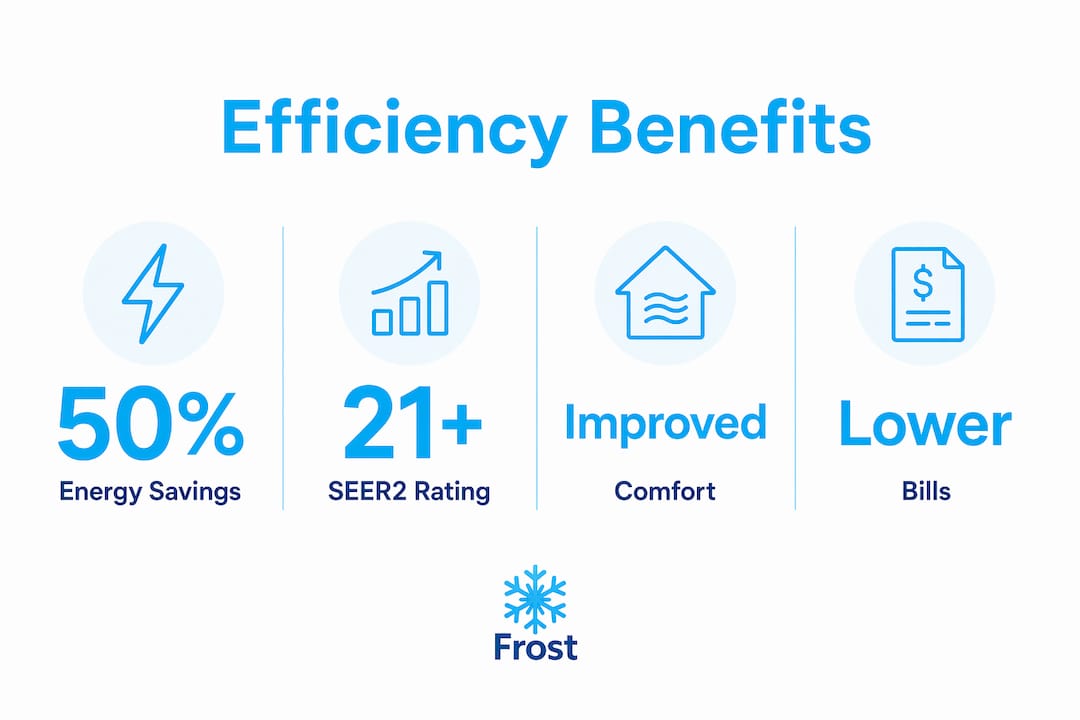
Variable-speed compressors are the most significant. A traditional single-stage compressor runs at full power or switches off entirely. A variable-speed unit can run at 25%–30% capacity during mild conditions, using 75%–80% less energy than a full-capacity run. That means longer, quieter cycles that remove humidity more effectively and maintain steadier temperatures throughout your home.
Smart thermostats with geofencing and schedule learning add another layer of control. These devices detect when you leave the house and adjust cooling automatically. Smart thermostats save around £100 annually by eliminating unnecessary cooling when no one is home. That figure compounds over years of use.
Humidity control is the overlooked benefit. A well-matched, high-efficiency system removes moisture from the air more consistently than an oversized unit that short-cycles. Lower humidity means you feel cooler at a higher thermostat setting, which reduces energy use further without sacrificing comfort.
- Variable-speed compressors reduce energy use by up to 80% during mild weather
- Smart thermostats cut unnecessary run time through geofencing and scheduling
- Effective dehumidification allows higher thermostat settings without discomfort
- Inverter-driven systems maintain steadier temperatures with fewer temperature swings
Pro Tip: When comparing models, check whether the variable-speed compressor is inverter-driven. Inverter technology adjusts motor speed continuously rather than in fixed steps, which delivers the smoothest efficiency gains and the quietest operation.
For more on getting the most from your system day to day, the guide on boosting AC energy efficiency at home covers practical steps worth reading alongside this article.
Why installation and sizing matter as much as the unit itself
Choosing a high-SEER2 unit is only half the equation. A poorly installed or incorrectly sized system will waste energy regardless of its rating. Duct leakage and improper sizing can cause energy losses of up to 30%, effectively cancelling out the efficiency gains you paid for.
Oversized units are a common and costly mistake. A unit that is too large for the space cools the air quickly but switches off before it can remove enough humidity. This short-cycling leaves rooms feeling clammy, forces the compressor to restart repeatedly, and increases wear on components. The result is higher bills and a shorter system lifespan.
The correct approach is a professional load calculation, sometimes called a Manual J calculation. This accounts for your home's insulation, window area, orientation, and occupancy. A load calculation gives the installer the data to size the unit correctly. Requesting one before accepting any quote is the single most effective thing you can do to protect your investment.
- Leaky ducts in unconditioned spaces waste up to 30% of cooled air before it reaches the room
- Oversized units short-cycle, reducing humidity control and increasing component wear
- Undersized units run constantly, driving up energy bills without achieving target temperatures
- Duct sealing combined with a high-efficiency unit delivers the full efficiency benefit of both
Pro Tip: Ask any installer for a written load calculation before they recommend a unit size. If they quote based on room size alone or a quick visual inspection, that is a warning sign. A proper calculation takes time and uses your home's specific data.
Pairing duct sealing and weatherisation with a high-efficiency unit is where the real savings compound. Each improvement reinforces the other. If you are thinking about upgrading an older system, addressing ductwork at the same time is worth the additional investment.
What are the real benefits of energy efficient air conditioning?
The benefits of energy efficient AC extend well beyond the electricity bill, though the bill savings alone are substantial.
Upgrading to a high-efficiency system reduces cooling energy consumption by 20%–50% compared to older models. For a household running air conditioning through a warm summer, that represents a meaningful reduction in monthly outgoings. The savings accumulate year after year, and the gap widens as energy prices rise.
High-efficiency air conditioning units not only reduce electricity bills but also deliver superior comfort through consistent temperatures and effective humidity control, eliminating the hot spots and clammy air that older, lower-rated units leave behind.
The environmental case is equally clear. Upgrading to higher-rated units cuts household CO2 emissions by hundreds of kilograms annually compared to low-rated models. Lower electricity demand reduces pressure on the grid, which matters particularly during peak summer periods. For homeowners who care about their environmental footprint, an efficient system is one of the most practical steps available.
- Lower energy bills: 20%–50% reduction in cooling costs compared to older units
- Reduced carbon footprint: hundreds of kilograms less CO2 per year with a high-rated unit
- Better indoor comfort: steadier temperatures and lower humidity throughout the home
- Potential increase in property value: energy-efficient systems are an attractive feature for buyers and renters alike
- Quieter operation: variable-speed systems run at lower speeds most of the time, reducing noise
The comfort improvement is not a minor bonus. High-efficiency systems eliminate the hot spots common with older units by running longer at lower speeds, distributing cooled air more evenly. For anyone who has lived with a system that blasts cold air for five minutes then switches off, the difference is immediately noticeable. The guide on how air conditioning affects home health explores the indoor air quality side of this in more detail.
Key takeaways
Energy efficient air conditioners deliver lower running costs, better comfort, and a smaller carbon footprint. The gains depend on choosing the right rating, the right technology, and the right installation.
| Point | Details |
|---|---|
| SEER2 is the key metric | Look for SEER2 ratings of 21 or above for meaningful long-term savings on central and split systems. |
| Variable-speed compressors matter most | This technology cuts energy use by up to 80% during mild conditions and improves humidity control. |
| Sizing and installation are critical | Duct leakage and incorrect sizing can waste up to 30% of efficiency gains from a high-rated unit. |
| Savings are substantial | Upgrading from an older unit can reduce cooling costs by 20%–50% annually. |
| Smart controls amplify savings | Geofencing and scheduling on a smart thermostat can save around £100 per year in unnecessary cooling. |
Choosing an efficient AC: what I have learned from real installations
The most common mistake I see is homeowners focusing entirely on the SEER2 number and treating everything else as secondary. A unit rated at SEER2 30 installed in a poorly sealed, incorrectly sized system will underperform a SEER2 20 unit installed properly every single time. The rating tells you what the unit is capable of. The installation determines what it actually delivers.
Efficiency gains depend on more than equipment ratings alone. Smart thermostat integration and correct system matching are what turn a good unit into a genuinely efficient one. I always recommend pairing any new installation with a programmable or geofencing-capable thermostat from day one, not as an afterthought.
Maintenance is the other factor people underestimate. A high-efficiency system with dirty filters and blocked coils will lose a significant portion of its rated efficiency within a season. Annual servicing is not optional if you want the system to perform as specified. The upfront cost of a quality installation and regular maintenance is far lower than the cost of running an inefficient system for a decade.
My honest advice: consult a qualified, F-Gas certified installer who will take the time to do a proper load calculation and explain the options clearly. Avoid anyone who quotes a unit size without measuring your home. The right professional will save you more money over the life of the system than any single product choice.
— James
Frostairconditioning: energy efficient installations across the South West
Frostairconditioning installs high-efficiency air conditioning systems in homes across Exeter and the wider South West, with F-Gas certification and same-day installs available for qualifying properties.

Every domestic installation starts with a proper assessment of your home's cooling needs, so you get a correctly sized system from day one. Frostairconditioning also offers service and maintenance plans to keep your system running at peak efficiency year after year. Finance at 0% is available, making it straightforward to upgrade without a large upfront payment. Request a quote to find out what an efficient system would cost for your home.
FAQ
What does SEER2 mean on an air conditioner?
SEER2 stands for Seasonal Energy Efficiency Ratio 2 and measures how many BTUs of cooling a unit produces per watt-hour of electricity over a full season. Higher SEER2 ratings mean lower running costs.
What SEER2 rating should I look for?
Standard units range from 16–20 SEER2, while high-efficiency models reach 21–35. A rating of 21 or above delivers noticeably lower energy bills compared to minimum-standard units.
How much can I save by upgrading to an energy efficient AC?
Upgrading from an older model to a high-efficiency system reduces cooling energy use by 20%–50%, depending on the age of the existing unit and how well the new system is installed and sized.
Does the size of the air conditioner affect efficiency?
An oversized unit short-cycles, meaning it cools quickly but switches off before removing enough humidity, which wastes energy and reduces comfort. A correctly sized unit, determined by a professional load calculation, runs efficiently and maintains steady temperatures.
Are energy efficient air conditioners better for the environment?
Higher-rated units cut household CO2 emissions by hundreds of kilograms per year compared to low-rated models, reducing electricity demand on the grid and lowering your home's overall carbon footprint.