
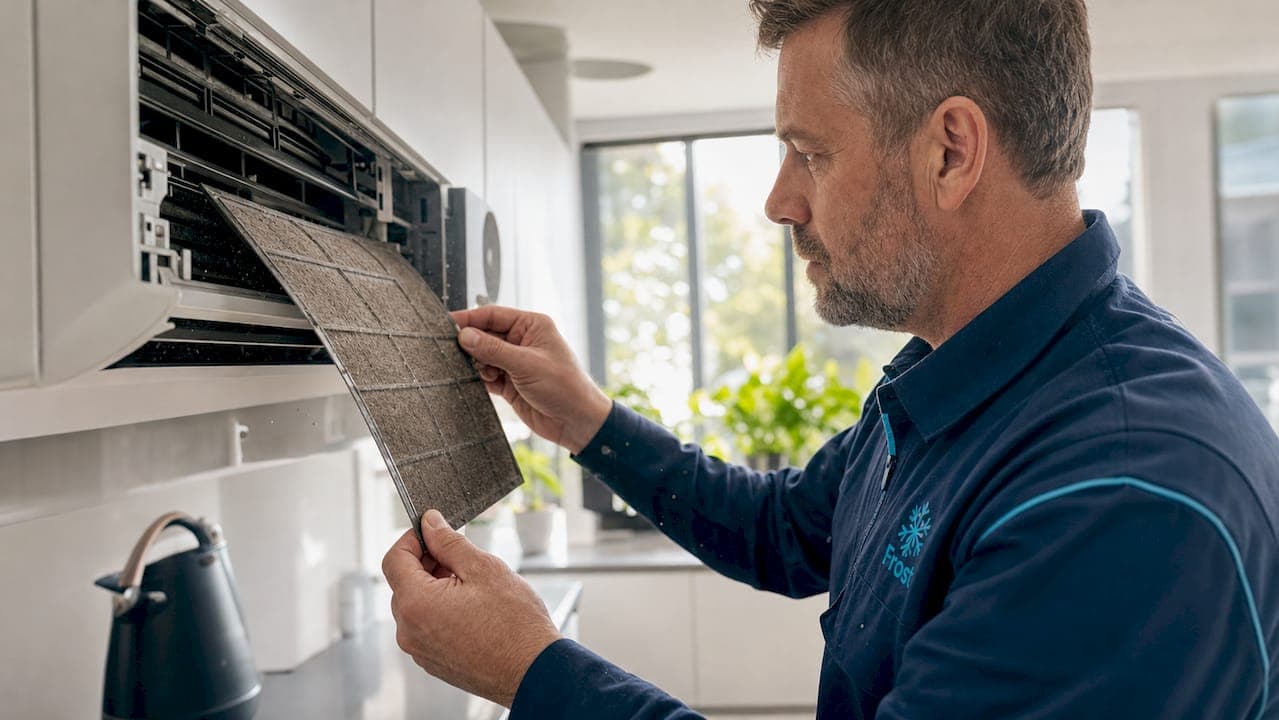
Air conditioner filters are defined as the barrier that traps dust, pollen, pet dander, and other airborne particles before they reach the system's internal components. Their primary job is to protect the evaporator coils and blower motor from debris buildup, with improved indoor air quality as a valuable secondary benefit. Most homeowners assume filters exist purely to clean the air they breathe. The reality is more practical: a clogged or poorly chosen filter is one of the fastest ways to damage an otherwise healthy system. Understanding the role of filters in air conditioners helps you make better decisions about maintenance, filter choice, and long-term running costs.
How do air conditioner filters work to protect your system?
The primary role of an air filter is to shield HVAC components from dust and debris, not to act as a standalone air purifier. Air is drawn through the filter before it reaches the evaporator coil and blower motor. The filter media catches particles in the airstream, preventing them from coating sensitive components and reducing their efficiency over time.
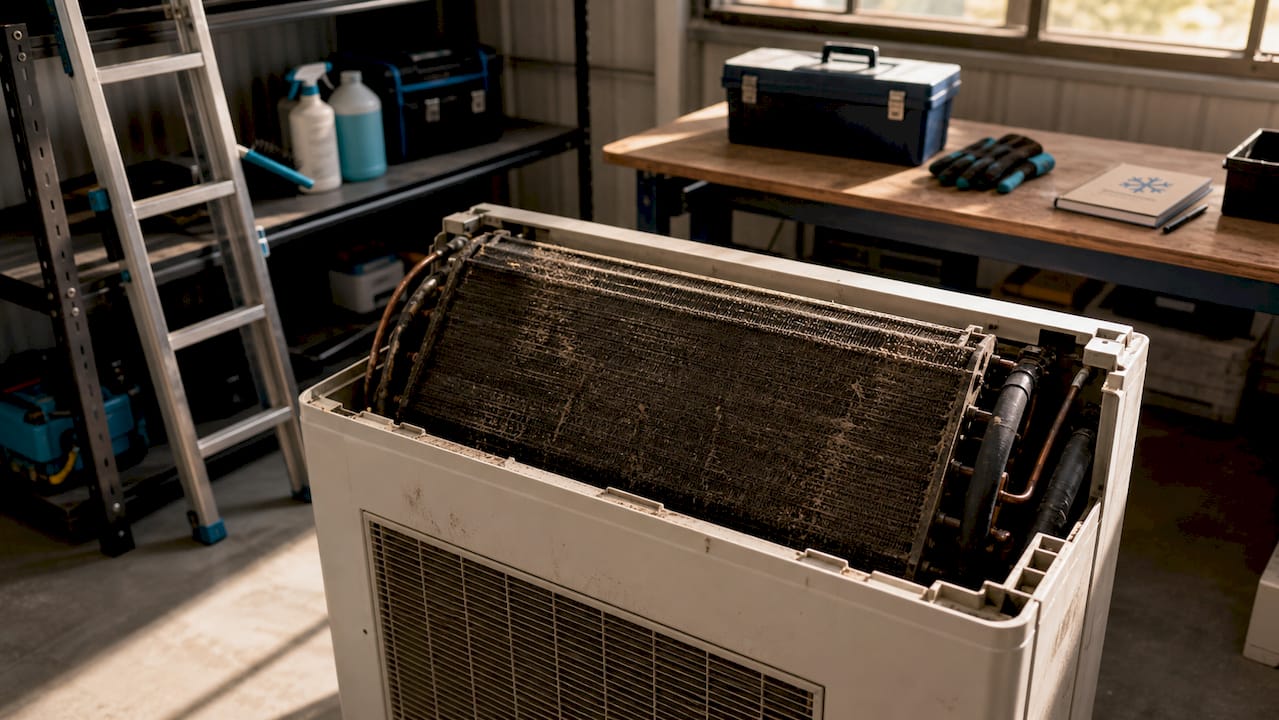
When dust coats an evaporator coil, the coil loses its ability to absorb heat effectively. The system then works harder and longer to reach the temperature you have set. That extra strain adds up quickly in both energy costs and wear on the unit.
The secondary benefit, cleaner air circulating through your home, is real and meaningful. Filters do capture allergens like pollen and pet dander, which matters for households with allergy sufferers. However, treating a standard AC filter as a substitute for a dedicated air purifier sets unrealistic expectations and can lead to poor filter choices.
Here is what a well-functioning filter actually does in practice:
- Captures dust, pollen, pet dander, mould spores, and textile fibres from the airstream
- Prevents debris from coating evaporator coils, which would reduce heat exchange efficiency
- Protects the blower motor from abrasive particle buildup that causes premature wear
- Reduces the frequency of deep system cleans and professional servicing
- Contributes to cleaner circulated air as a secondary outcome of particle capture
What types of air conditioner filters are available?
Filter choice has a direct impact on both air quality and system health. The most widely used rating system for residential filters is the MERV scale, which stands for Minimum Efficiency Reporting Value. A higher MERV rating means the filter captures smaller particles, but it also means greater resistance to airflow.
MERV ratings: finding the right range
Most residential AC systems work best with filters rated MERV 8–11. This range captures common household allergens without restricting airflow to the point of stressing the system. HEPA filters capture 99.97% of particles as small as 0.3 microns, making them highly effective at removing fine allergens. The problem is that HEPA filters are rarely compatible with standard home AC units because their dense media restricts airflow too severely, risking frozen coils and blower motor damage.
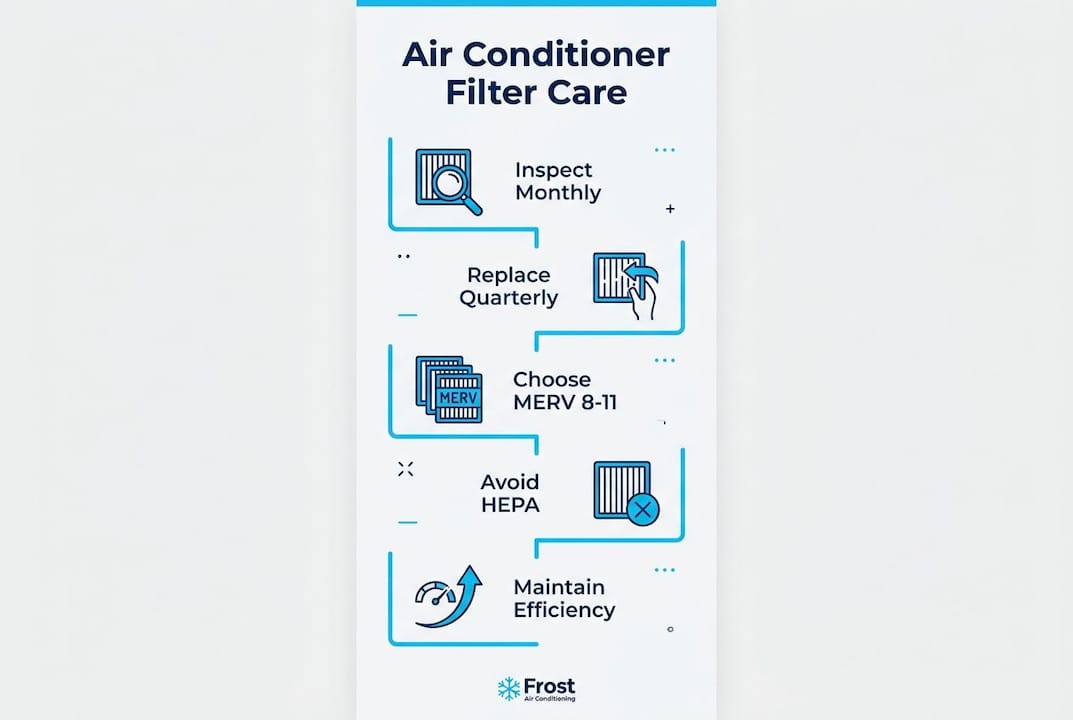
Pro Tip: Check your system's manufacturer manual before upgrading to a higher MERV filter. Some units are only rated for filters up to MERV 8, and fitting a MERV 13 can do more harm than good.
Filter types compared
| Filter type | Best for | Key trade-off |
|---|---|---|
| Flat-panel fibreglass | Basic dust protection on a budget | Low filtration efficiency; misses fine particles |
| Pleated disposable | Most homes; good balance of airflow and capture | Replace every 1–3 months depending on use |
| Washable/reusable | Reducing ongoing costs | Must be fully dry before reinstalling; lower MERV rating |
| Thick pleated (4–5 inch) | High-use systems needing longer filter life | Requires compatible filter housing in the unit |
Thicker pleated filters (4–5 inch) provide higher dust-holding capacity with lower resistance to airflow compared to standard 1-inch filters. This means the system breathes more freely while the filter lasts longer between changes. Not every unit can accommodate a thicker filter, so check the housing dimensions before purchasing.
OEM filters cost 2–3 times more than aftermarket equivalents but rarely deliver meaningfully better performance. Most aftermarket pleated filters use similar synthetic media and meet the same industry standards. Spending more on a branded filter does not automatically mean better protection for your system.
Why does regular filter maintenance matter so much?
Neglecting your filter is one of the most expensive mistakes a homeowner can make. Dirty filters increase energy consumption by 5–20% and force the system to run 10–20% longer to reach the target temperature. That extra runtime shortens the unit's lifespan and pushes up your electricity bill every month.
Regular filter maintenance can prevent 85% of common HVAC repairs and extend the unit's lifespan by 3–5 years. That is a significant return on a task that takes less than ten minutes. The financial case for staying on top of timely filter replacement is straightforward: a £15 filter protects against repair bills that can reach hundreds of pounds for a failed compressor or blower motor.
Follow this maintenance schedule to keep your system running well:
- Inspect the filter monthly during peak summer and winter use. Hold it up to the light; if you cannot see light through it, replace or clean it immediately.
- Replace disposable filters every 1–3 months depending on usage, household size, and whether you have pets.
- Clean washable filters with lukewarm water and allow them to dry completely before reinstalling. A damp filter encourages mould growth inside the unit.
- Check the filter after any renovation work in your home. Building dust loads filters far faster than normal household use.
- Note any signs of reduced airflow or rising energy bills. These are the two most reliable early warnings that a filter needs attention.
Pro Tip: Set a recurring reminder on your phone for the first day of each month during summer. A two-minute filter check takes far less time than waiting for an engineer.
Scheduling filter replacement as a calendar task rather than a reactive fix is the most cost-effective approach to HVAC care. A £20 filter can protect against a £1,500 compressor replacement. That ratio makes filter maintenance one of the highest-return habits a homeowner can build.
How to choose the right filter for your home
Choosing the right filter means balancing filtration performance against your system's airflow requirements. Getting this wrong in either direction creates problems: too low a rating and you under-protect the system; too high a rating and you restrict airflow and risk component damage.
Work through these factors before buying a replacement filter:
- Get the size right first. A filter that does not fit the housing correctly allows air to bypass the media entirely, rendering the filter useless. Check the dimensions printed on your current filter or measure the housing directly.
- Match the MERV rating to your system. Consult the manufacturer's manual or the unit's specification label. Most residential systems are designed for MERV 8–11.
- Factor in your household. Homes with pets, allergy sufferers, or high dust levels benefit from a higher MERV rating within the system's compatible range. A household with no pets and no allergy concerns does fine with a MERV 8.
- Consider filter thickness. If your unit can accommodate a 4-inch or 5-inch filter, the upgrade is worth making. You get better filtration and longer intervals between changes.
- Weigh up cost over time. Aftermarket pleated filters meeting the same standards as OEM options are a sound choice for most homeowners. Spending three times more on a branded filter rarely changes the outcome.
For a detailed breakdown of filter options, the homeowner's guide to AC filter types covers the full range of choices available for UK systems.
Common misconceptions about air conditioner filters
Several widely held beliefs about AC filters lead homeowners to make decisions that damage their systems or waste money.
- Higher MERV always means better. This is the most damaging misconception. Filters with too high a MERV rating restrict airflow, causing evaporator coil freeze-up and blower motor overheating. A MERV 13 filter in a system rated for MERV 8 does not improve air quality. It shortens the system's life.
- Filters are primarily air purifiers. The filter's main job is protecting the system. Air quality improvement is a real benefit, but it is secondary. Expecting a standard AC filter to perform like a medical-grade air purifier leads to poor choices.
- Reusable filters can go back in while still damp. Reinstalling a wet washable filter creates the ideal conditions for mould growth inside the unit. Always allow a washable filter to dry fully, ideally for 24 hours, before refitting.
- Filters only need changing when the system stops working well. By the time you notice reduced airflow or higher bills, the filter has already been restricting the system for weeks. Reactive maintenance costs more than scheduled maintenance.
"Cleaner air through higher-rated filters is not always better for your home if the filter restricts airflow and stresses the system. The goal is balance: adequate filtration for your household's needs within the airflow limits your unit was designed to handle."
Installing a filter the wrong way round also causes problems. Installing filters backward reduces efficiency and risks the filter media collapsing into the blower. The arrow printed on the filter frame must point toward the air handler, not away from it.
Key takeaways
Filters protect HVAC components first and improve air quality second; choosing the right MERV rating for your system and maintaining a monthly inspection schedule delivers the greatest long-term benefit.
| Point | Details |
|---|---|
| Primary filter function | Filters protect evaporator coils and blower motors from debris, not just clean the air. |
| MERV rating sweet spot | Most home systems perform best with MERV 8–11; higher ratings risk airflow restriction. |
| Maintenance frequency | Inspect filters monthly during peak use and replace disposables every 1–3 months. |
| Cost of neglect | Dirty filters increase energy use by up to 20% and can shorten system life by years. |
| Filter fit matters | An incorrectly sized or backward-installed filter bypasses filtration entirely. |
What I have learned from years of watching homeowners get filters wrong
The single most common mistake I see is homeowners buying the highest MERV filter they can find, convinced they are doing the right thing for their family's health. The logic feels sound. Better filtration means cleaner air. But the system was not designed for that level of restriction, and within a season, the evaporator coil freezes or the blower motor starts struggling.
The second most common mistake is the opposite: ignoring the filter entirely until something goes wrong. By then, the coil is coated, the system is working at reduced efficiency, and the repair bill is avoidable.
What actually works is simple. Pick a filter in the MERV 8–11 range that fits your unit correctly, check it every month during heavy use, and replace it before it looks completely grey. If you have pets or allergy sufferers at home, move toward the higher end of your system's compatible range. If you are unsure what your system can handle, look at the importance of AC servicing before making any changes.
The homeowners who get the best results treat filter maintenance like a utility bill. It is not exciting, but skipping it is expensive. A consistent routine beats an expensive repair every time.
— James
Frostairconditioning: professional filter care for South West homeowners
Keeping on top of filter maintenance is straightforward once you know what to look for. Getting the installation right from the start makes everything easier.

Frostairconditioning is based in Exeter and covers the South West, offering F-Gas certified engineers who can advise on the correct filter specification for your system during any service visit. Whether you need a domestic AC installation or a scheduled service and maintenance plan, the team can handle filter checks, replacements, and full system health assessments. Same-day installs are available, and 0% finance options mean there is no reason to put off a service that protects a significant household investment. Get in touch with Frostairconditioning to book a visit or request a quote.
FAQ
What is the main role of a filter in an air conditioner?
The primary role of an AC filter is to protect internal components, specifically the evaporator coil and blower motor, from dust and debris. Improved indoor air quality is a real but secondary benefit.
How often should I replace my air conditioner filter?
Disposable filters should be replaced every 1–3 months during regular use, with monthly inspections during peak summer and winter seasons. Households with pets or allergy sufferers should replace filters more frequently.
What MERV rating is best for a home air conditioner?
Most residential systems perform best with filters rated MERV 8–11. Higher ratings restrict airflow and can cause evaporator coil freeze-up or blower motor damage in systems not designed for them.
Are HEPA filters suitable for standard home AC units?
HEPA filters capture 99.97% of particles but are generally incompatible with standard residential AC systems because their dense media restricts airflow too severely, risking system damage.
Can a dirty filter damage my air conditioner?
A dirty filter forces the system to work harder, increasing energy consumption by up to 20% and extending runtimes. Over time, this reduces the unit's lifespan and increases the risk of costly component failures.