
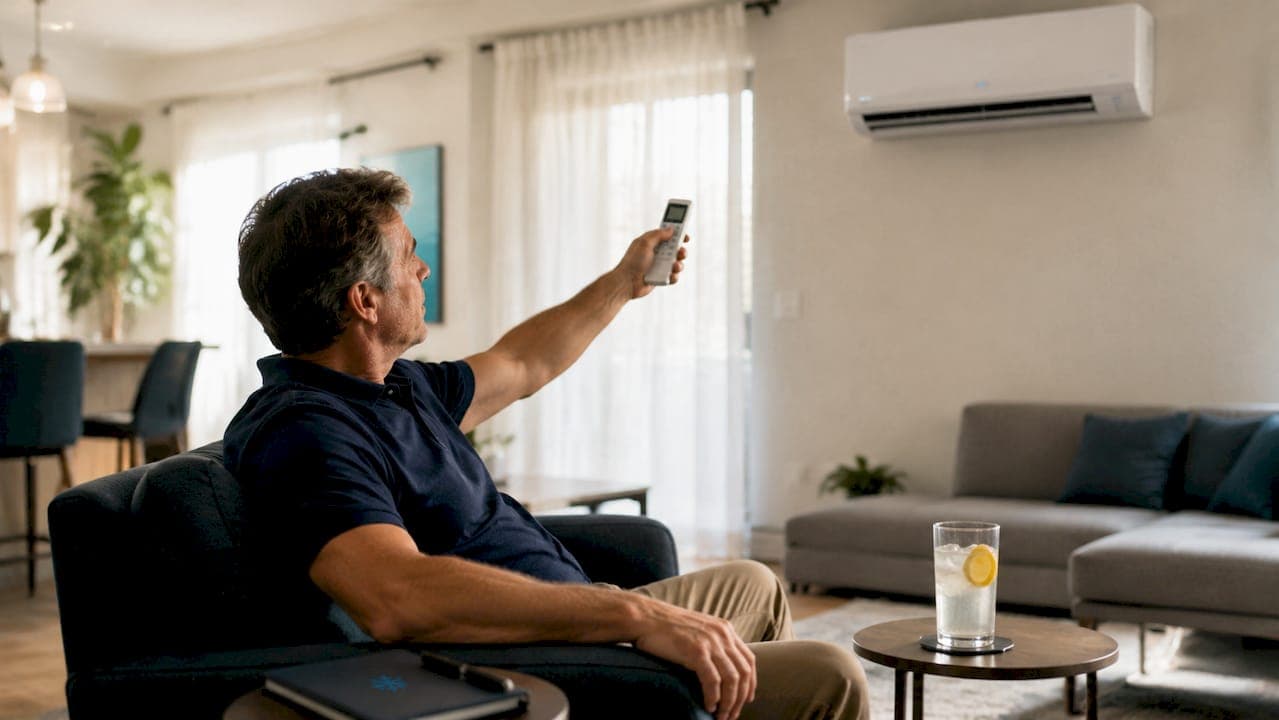
Efficient home cooling is the process of reducing indoor temperatures while consuming the least possible energy. The cooling home efficiently process combines smart thermostat management, passive heat control, natural ventilation, and modern HVAC technology to keep your home comfortable without inflating your energy bills. The Department of Energy recommends indoor temperatures of 75–78°F (24–26°C) during occupied hours as the baseline target. Getting this right in 2026 means layering passive methods with technologies like variable-speed air conditioners and heat pumps rather than relying on any single approach.
What thermostat settings optimise the cooling home efficiently process?
Thermostat management is the single fastest way to cut cooling costs without spending a penny on equipment. The Department of Energy recommends raising your thermostat setpoint by 7°F (about 4°C) when your home is unoccupied. That one habit alone can meaningfully reduce your energy consumption across a warm season.
Smart thermostats take this further by automating the process entirely. Devices like the Nest Learning Thermostat and Ecobee SmartThermostat schedule and adjust cooling automatically, generate usage reports, and flag inefficient patterns. You stop guessing and start making decisions based on real data.
Here is a practical sequence for managing your thermostat effectively:
- Set your daytime occupied temperature to 24–26°C.
- Programme a setback of at least 4°C for periods when the house is empty.
- Schedule a return to your comfort temperature 30 minutes before you arrive home.
- Use a lower overnight setting if outdoor temperatures drop sufficiently.
- Review your smart thermostat's weekly report and adjust schedules based on actual usage.
Pro Tip: Your home acts as a thermal battery. Pre-cooling the house during early morning hours, when electricity tariffs are lower and outdoor air is cooler, shifts the cooling load to a more efficient period and reduces strain on your system during peak afternoon heat.
How do insulation, window coverings, and shading affect cooling efficiency?
Passive cooling is the foundation of any energy efficient cooling strategy. Before your air conditioning even switches on, the amount of heat entering your home is already determined by your insulation, glazing, and shading. Getting these right reduces the workload on every mechanical system you own.
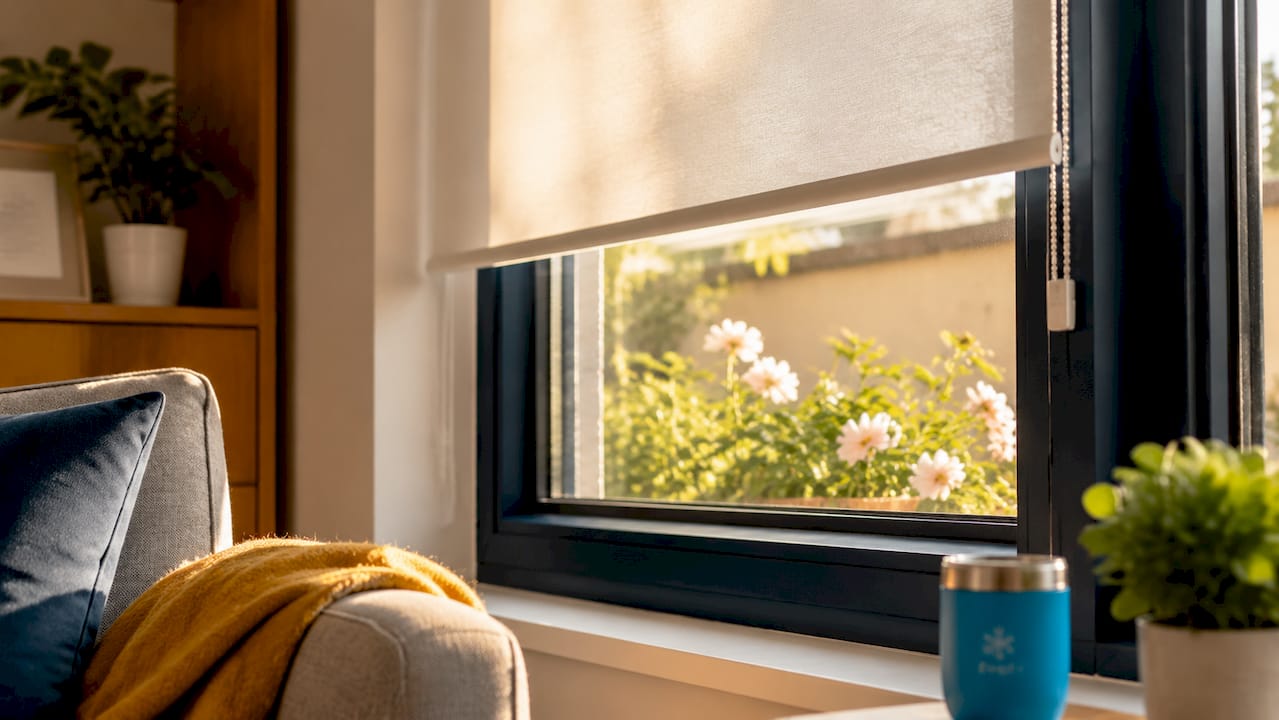
Proper loft and wall insulation slows heat transfer into your home during the day. Gaps around doors and windows let warm air flood in and cool air escape. Sealing these with draught excluders and quality weatherstripping is one of the cheapest improvements available.
Window coverings make a measurable difference. Closing blinds and curtains during peak daytime hours blocks solar heat gain before it warms your rooms. External shading devices are even more effective because they stop heat before it reaches the glass at all.
| Shading Type | Position | Effectiveness | Approximate Cost |
|---|---|---|---|
| External awnings | Outside window | High | £150–£600 per window |
| External shutters | Outside window | High | £200–£800 per window |
| Blackout blinds | Inside window | Medium | £30–£120 per window |
| Reflective window film | On glass | Medium | £15–£50 per window |
| Standard curtains | Inside window | Low to medium | £40–£200 per window |
External awnings and shutters outperform internal blinds because they intercept solar radiation before it passes through the glass. Once heat enters through glazing, internal coverings can only trap it rather than reject it. If you are investing in shading, start outside.
Energy-efficient double or triple glazing also reduces heat ingress significantly compared to older single-pane windows. Combined with good insulation and external shading, these passive measures can reduce your cooling demand before you touch a thermostat.
What natural ventilation strategies support effective home cooling?
Natural ventilation is one of the most underused tools for cooling homes sustainably. Many homeowners leave windows closed all day and run air conditioning continuously, when a well-managed ventilation strategy could handle a large portion of the cooling load for free.
The principle is straightforward. Warm air rises and exits through high points in the building. Cooler air is drawn in at lower levels. Architect Lenka Ilic highlights that managing your home's envelope and airflow is one of the most reliable passive cooling methods available. The key is timing and positioning.
Follow this sequence to maximise natural ventilation:
- Open windows on opposite sides of the house in the evening to create a cross-breeze.
- Open high-level windows or roof lights to allow warm air to escape upwards.
- Draw cooler air in at ground level through lower windows or vents.
- Close all windows and external doors before outdoor temperatures rise above indoor temperatures in the morning.
- Use internal doors to direct airflow through the rooms you occupy most.
Pro Tip: Avoid opening windows during the hottest part of the day, typically between 11am and 4pm in the UK during summer. You will draw warm air in and raise indoor temperatures. Wait until outdoor air is cooler than your indoor air before ventilating again.
For additional guidance on improving airflow through your home, ventilation improvements this summer from Cloudy2Clear Windows covers practical window and vent upgrades worth considering.
Which modern cooling technologies offer the best energy efficiency?
When passive methods are not enough, the right mechanical system makes a significant difference. The best cooling methods for homes in 2026 centre on variable-speed systems, ductless units, and heat pumps rather than older single-speed central air conditioners.
Variable-speed central air conditioners reduce energy consumption by 30–50% compared to single-speed models. They modulate output between 20% and 100% of capacity, matching the actual cooling demand rather than cycling on and off at full power. The result is steadier temperatures and lower bills.
Ductless mini-split systems eliminate one of the biggest hidden losses in forced-air homes. Duct leakage can exceed 30% of cooled air before it reaches the rooms it is meant to serve. Mini-splits deliver conditioned air directly to each zone with no ductwork losses at all.
Heat pumps are the most efficient option for homeowners who want both cooling and heating from a single system. Heat pumps deliver two to four times the efficiency of traditional electric resistance systems. Over five million units were sold in the US in 2024 alone, reflecting a clear shift in how homeowners approach year-round climate control.
| System Type | Efficiency Rating | Typical Installed Cost | Best For |
|---|---|---|---|
| Variable-speed central AC | High SEER2 | £3,000–£6,000 | Larger homes with existing ductwork |
| Ductless mini-split | High SEER2 | £1,500–£4,000 per zone | Homes without ductwork, zone control |
| Air source heat pump | Very high (COP 2–4) | £8,000–£15,000 | Year-round heating and cooling |
| Standard single-speed AC | Lower SEER2 | £2,000–£4,500 | Budget installs, smaller homes |
Smart thermostat integration with any of these systems adds another layer of control. For a deeper look at how to boost AC energy efficiency at home, Frostairconditioning's guide covers practical upgrade paths for existing systems.
How do you maintain your cooling system for sustained efficiency?
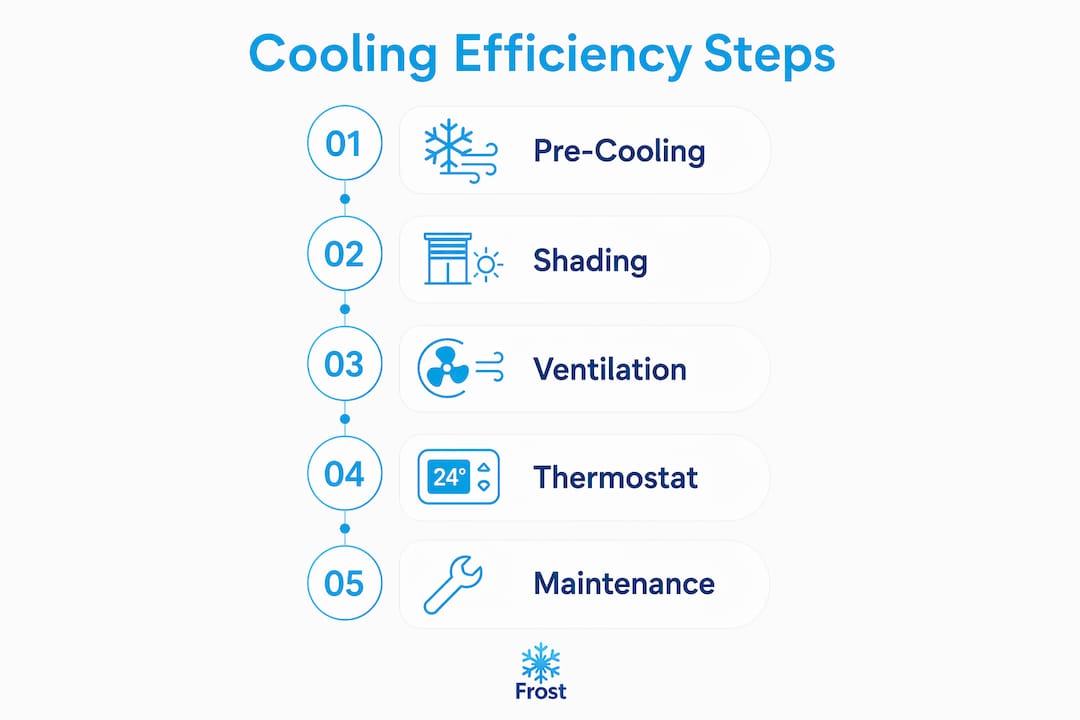
A well-chosen system that is poorly maintained will underperform within a single season. Maintenance is not optional if you want to maximise cooling efficiency over the long term.
Regular filter cleaning is the most straightforward task. Filters should be checked monthly and cleaned or replaced according to the manufacturer's schedule. A clogged filter forces the system to work harder, raises energy consumption, and shortens equipment life.
Key maintenance habits that protect your investment:
- Inspect and seal ductwork annually. Duct losses are a silent efficiency killer. Even small gaps compound over a cooling season and waste a significant portion of your energy spend.
- Book a professional service each spring. A qualified engineer checks refrigerant levels, cleans coils, and identifies faults before they become expensive failures.
- Use exhaust fans in kitchens and bathrooms. Turn them on when generating heat or moisture, then switch them off promptly to avoid pulling conditioned air out of the house.
- Avoid overcooling. Setting the thermostat lower than your comfort target does not cool the room faster. It simply runs the system longer and wastes energy.
- Act on system warnings early. Unusual noises, reduced airflow, or rising energy bills are signals that something needs attention. Ignoring them accelerates deterioration.
Natural fibres in your home textiles also play a supporting role. Linen and cotton bedding and soft furnishings feel cooler and improve airflow compared to synthetic fabrics, reducing the perceived temperature in occupied rooms without any mechanical input.
Key takeaways
The most effective approach to cooling your home efficiently combines passive heat control, smart thermostat habits, and a well-maintained modern cooling system.
| Point | Details |
|---|---|
| Thermostat management | Set 24–26°C when occupied and raise by 4°C when away to cut energy waste. |
| Passive shading first | External awnings and shutters outperform internal blinds by blocking heat before it enters. |
| Natural ventilation timing | Open windows in the evening and close them before outdoor temperatures rise above indoor levels. |
| Modern system choice | Variable-speed and ductless systems reduce energy use by 30–50% compared to older single-speed units. |
| Regular maintenance | Monthly filter checks and annual professional servicing sustain efficiency and extend equipment life. |
What i have learned from layering cooling strategies
Most guides treat cooling as a single-system problem. Install an air conditioner, set a temperature, done. What I have found is that the homes that stay genuinely comfortable through a warm spell are the ones where the owner has thought about heat as something to manage at every layer, not just at the thermostat.
The biggest mistake I see is homeowners investing in a powerful cooling system and then leaving south-facing windows uncovered all afternoon. The system runs constantly trying to offset heat gain that a £40 blind could have prevented. Passive measures are not a budget alternative to good air conditioning. They are what makes good air conditioning work properly.
The second thing worth saying is that your home's thermal behaviour is unique. A Victorian terrace in Exeter holds heat differently from a modern detached house. Spend one warm week paying attention to which rooms heat up first, where the breeze comes from, and when outdoor temperatures drop below indoor levels. That knowledge is worth more than any generic advice, including this article.
Incremental improvements compound quickly. Sealing a draughty door frame, fitting a blackout blind in the bedroom, and scheduling your thermostat to pre-cool before you wake up are each small changes. Together they shift the balance meaningfully. You do not need to replace every system at once to see real results.
— James
How Frostairconditioning can help you cool your home better
If you have worked through the passive and thermostat strategies and want to take the next step, the right installation makes all the difference. Frostairconditioning is based in Exeter and covers the South West, offering F-Gas certified domestic installations with same-day availability and 0% finance options.
Whether you are considering a ductless mini-split for a specific room, a full heat pump installation, or simply want a professional assessment of your current setup, Frostairconditioning's team can advise on the right system for your home's size, layout, and budget. Domestic installation services cover everything from system selection through to commissioning. Ongoing service and maintenance packages keep your system running at peak efficiency year after year. Request a quote to get a personalised recommendation for your home.
FAQ
What is the most energy-efficient indoor temperature for cooling?
The Department of Energy recommends 75–78°F (24–26°C) during occupied hours. Raising the setpoint by 7°F when the home is empty significantly reduces energy consumption without affecting comfort on your return.
Are external shutters worth the cost compared to internal blinds?
External shutters and awnings are more effective than internal blinds because they block solar heat before it passes through the glass. Internal blinds trap heat that has already entered the room, making them less efficient at reducing cooling demand.
How much energy do variable-speed air conditioners save?
Variable-speed central air conditioners reduce energy consumption by 30–50% compared to older single-speed models. They achieve this by modulating output to match actual demand rather than cycling on and off at full capacity.
How often should i service my air conditioning system?
A professional service once a year, ideally in spring before the cooling season, is the standard recommendation. Monthly filter checks between services maintain airflow and prevent unnecessary energy waste.
Can natural ventilation replace air conditioning in the UK?
Natural ventilation handles a significant portion of cooling demand during mild UK summers, particularly at night when outdoor temperatures drop. During prolonged heat waves, mechanical cooling remains necessary to maintain comfortable indoor temperatures reliably.