
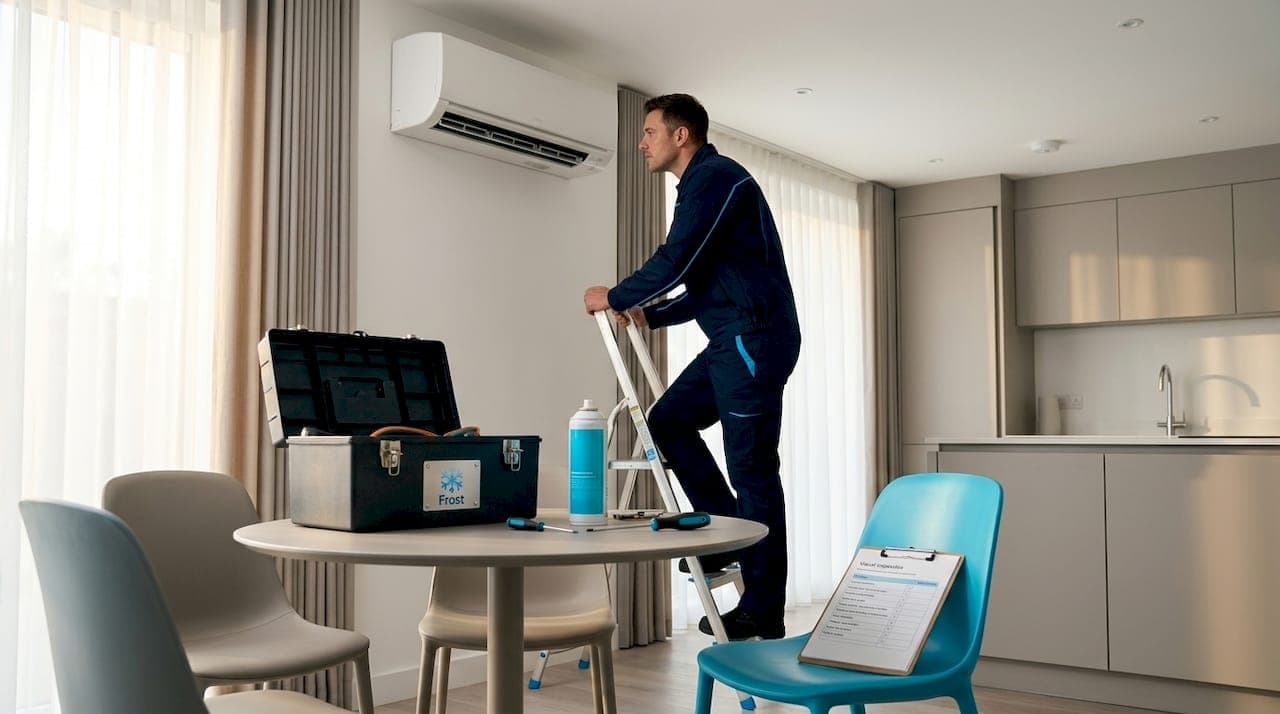
Regular AC servicing is defined as a scheduled professional inspection and maintenance of your air conditioning system to preserve efficiency, prevent breakdowns, and extend equipment life. Most homeowners in the UK only call a technician when something goes wrong. That reactive approach costs significantly more than a planned annual service. The Department of Energy confirms that neglecting filter replacements and coil cleaning causes measurable performance decline and higher energy use. Knowing why service your air conditioner matters is the first step toward protecting both your comfort and your wallet.
Why servicing your air conditioner is worth every penny
Servicing an air conditioner is the single most effective way to keep it running at full capacity without unexpected costs. A well-maintained unit uses less electricity, lasts longer, and keeps your home at a consistent temperature without straining. The financial case is straightforward: professional tune-ups cost £80 to £150, while emergency repairs regularly exceed £300. That gap grows wider if a neglected system fails entirely and requires replacement.
The importance of AC servicing goes beyond the bill. A serviced unit handles the demands of a warm British summer without the risk of cutting out on the hottest day of the year. Pre-peak inspections improve reliability and prevent the discomfort that comes when demand for technicians is at its highest and waiting times are longest.

One overlooked point: most homeowners judge their AC by whether it blows cold air. That test misses underlying airflow and heat transfer problems that quietly drive up energy bills without triggering an obvious fault. Regular servicing catches those hidden inefficiencies before they become expensive.
What does a professional AC service actually include?
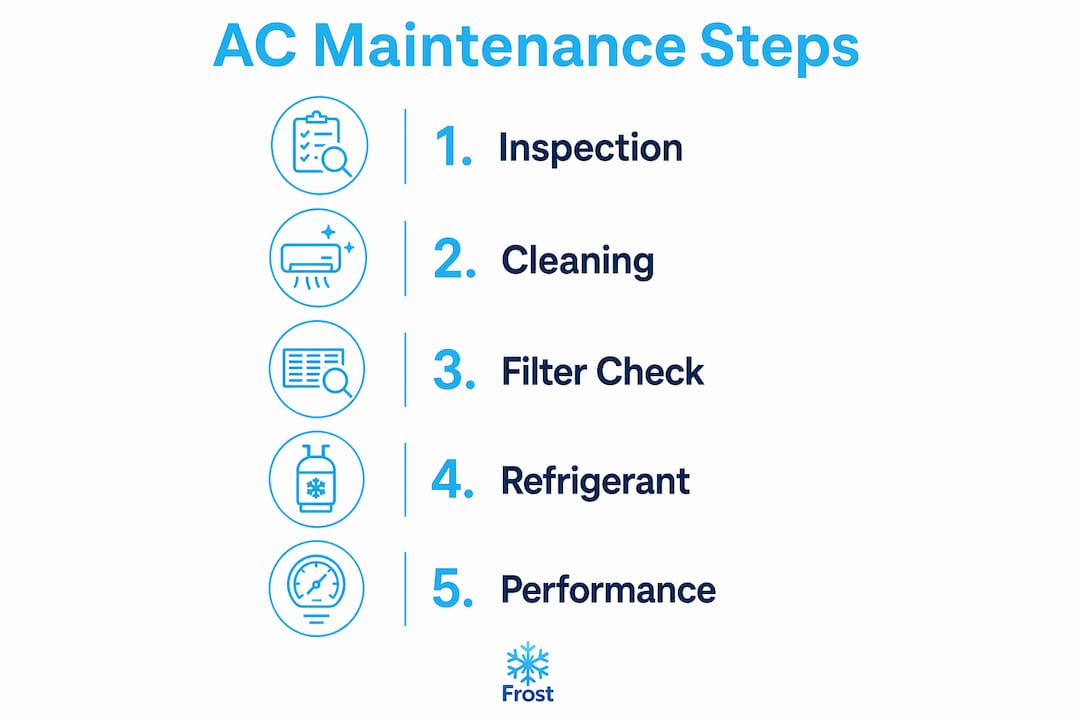
A professional service covers far more than a filter swap. Understanding what happens during a visit helps you see the value and know what to ask for.
The core tasks a qualified engineer performs include:
- Filter cleaning or replacement. Dirty filters restrict airflow and force the system to work harder. The Department of Energy recommends cleaning or replacing filters monthly to bi-monthly during the cooling season, with more frequent changes in homes with pets or dusty conditions.
- Evaporator and condenser coil cleaning. Even with clean filters, dirt on evaporator coils reduces heat transfer by 10 to 20%, increasing energy usage and breakdown risk. This is the task most homeowners never think about.
- Refrigerant level check and leak inspection. Low refrigerant means poor cooling and potential compressor damage. Only F-Gas certified engineers are legally permitted to handle refrigerant in the UK.
- Condensate drain line clearance. Blocked condensate drains cause system shutdowns and water overflow that can damage ceilings and walls. Clearing the drain is a quick job during a service but a costly fix if left until it floods.
- Electrical component inspection. Loose connections and worn contactors are common causes of sudden failures. An engineer checks these as part of a standard visit.
- Airflow and thermostat calibration. Correct airflow distribution and accurate thermostat readings are confirmed to make sure the system operates as designed.
As a homeowner, you can handle filter checks yourself between professional visits. Everything else on that list requires tools, training, and in the case of refrigerant, legal certification.
Pro Tip: Book your annual service in late February or March, before the warm weather arrives. Technicians are far busier from May onwards, and booking early reduces wait times and the risk of being without cooling during a heatwave.
How often should you service your AC unit?
The general rule for most domestic air conditioning systems is one professional service per year, ideally before the cooling season begins. That said, several factors push the recommended frequency higher.
- System age. Units over seven years old benefit from twice-yearly checks. Older components wear faster, and catching a failing part early is far cheaper than a mid-summer breakdown.
- Usage intensity. A unit running year-round for both heating and cooling accumulates wear more quickly than one used only in summer. Heavy usage warrants a service every six months.
- Household environment. Homes with pets, smokers, or high dust levels need more frequent filter changes and should consider bi-annual professional visits to keep coils clean.
- Local conditions. Properties near the coast, construction sites, or busy roads face higher levels of airborne particles that clog filters and foul coils faster than average.
- Warranty requirements. Many manufacturers require documented annual servicing to keep the warranty valid. Skipping a service can void your cover at exactly the moment you need it most.
For the UK climate specifically, the cooling season typically runs from May to September. Scheduling your professional service in March or April puts you ahead of demand and gives the engineer time to order any parts before temperatures rise.
Pro Tip: Set a recurring calendar reminder for the first week of March each year labelled "book AC service." It takes 30 seconds to set up and removes the mental load of remembering. Pair it with a monthly filter check on the first of each month.
Between professional visits, check your filter every four weeks during active use. A quick visual inspection takes under two minutes and tells you immediately whether a clean or replacement is needed. This single habit, combined with practical maintenance advice between professional visits, keeps your system performing well year-round.
What are the real benefits of regular air conditioning maintenance?
The benefits of air conditioning maintenance are financial, physical, and environmental. Each one compounds over the life of the system.
Lower energy bills. A clean, well-serviced AC unit runs at its designed efficiency rating. Fouled coils, clogged filters, and low refrigerant all force the compressor to work harder, drawing more electricity for the same output. Restoring the system to peak condition directly reduces your monthly energy costs. You can read more about reducing energy consumption with a well-maintained system.
Extended equipment lifespan. A typical domestic AC unit lasts 15 to 20 years with proper care. Neglect shortens that significantly. Replacing a unit costs thousands of pounds. Regular servicing, at a fraction of that cost per year, delays that expense considerably.
Fewer emergency breakdowns. Small issues caught early during a routine service rarely become urgent repairs. A worn capacitor spotted in March costs far less to replace than an emergency call-out in July when every engineer in the South West is fully booked.
Better indoor air quality. A serviced system filters dust, pollen, and airborne particles more effectively. For households with allergy sufferers, this matters considerably. Research into AC and allergy relief confirms that a clean, functioning system contributes to healthier indoor air. The connection between air conditioning and home health is stronger than most homeowners realise.
Prevention of water damage. Clogged condensate drains are a leading cause of water damage in homes with split-system air conditioning. A service clears the drain before it becomes a problem, protecting your ceilings, walls, and flooring.
Responsible refrigerant management. Refrigerant leaks harm the environment and reduce cooling performance. A certified engineer identifies and repairs leaks, keeping your system compliant with UK F-Gas regulations.
What are the warning signs your AC needs servicing now?
Some signs indicate your system needs attention before its next scheduled visit. Recognising these early prevents a minor fault from becoming a major repair.
- Weak or uneven airflow from vents suggests a blocked filter, dirty coil, or failing fan motor.
- Unusual noises such as grinding, rattling, or squealing point to mechanical wear that worsens quickly if ignored.
- Ice forming on the refrigerant lines or evaporator coil indicates low refrigerant or severely restricted airflow. Running the system in this state risks compressor damage.
- Musty or mouldy smells from the vents signal biological growth inside the unit, often caused by a blocked condensate drain or damp evaporator coil.
- A sudden rise in energy bills without a change in usage habits is a reliable indicator that the system is working harder than it should.
- Short cycling (the unit switching on and off repeatedly in short bursts) suggests an electrical fault, refrigerant issue, or oversized unit struggling to maintain temperature.
- Standing water around the indoor unit means the condensate drain is blocked and overflowing. This causes equipment shutdowns and water damage if not addressed immediately.
Any one of these signs warrants a call to a qualified engineer. Waiting to see if the problem resolves itself rarely works with air conditioning. You can find guidance on diagnosing common faults before calling a technician.
Key takeaways
Regular AC servicing protects your investment, lowers running costs, and prevents the expensive emergency repairs that result from years of neglect.
| Point | Details |
|---|---|
| Annual service is the baseline | Book one professional service per year, ideally in March before the cooling season begins. |
| Coil cleaning is non-negotiable | Dirty evaporator coils reduce heat transfer by 10 to 20%, raising energy use even when filters look clean. |
| Emergency repairs cost twice as much | Professional tune-ups run £80 to £150; emergency call-outs regularly exceed £300 and carry long wait times in summer. |
| Warning signs demand prompt action | Ice on lines, musty smells, or standing water require immediate attention to avoid compressor or water damage. |
| Filter checks are a homeowner task | Inspect and clean or replace your filter every four weeks during active use to maintain airflow between services. |
The habit most homeowners never build
I have spoken with hundreds of homeowners across the South West over the years, and the pattern is almost always the same. The AC gets installed, works brilliantly for the first summer, and then gets completely forgotten until something goes wrong. By that point, the coils are fouled, the drain is partially blocked, and the system has been running at reduced efficiency for two or three years without anyone noticing.
The honest truth is that the HVAC industry does not always make it easy to prioritise preventive maintenance. Emergency repairs are visible and urgent. A service that prevents a problem is invisible by definition. You never see the breakdown that did not happen.
What I tell every homeowner is this: treat your air conditioner the same way you treat your boiler. You would not skip a boiler service and wait for it to fail in January. The same logic applies to your AC in July. The cost difference between a planned service and an emergency repair is not marginal. It is often the difference between £120 and £400, plus the misery of waiting days for an engineer during a heatwave.
Build the habit once. Set the reminder. Book the service in spring. Everything else follows from that single decision.
— James
Get your AC serviced by Frostairconditioning this spring

Frostairconditioning covers the whole of the South West from its base in Exeter, offering professional AC servicing and maintenance plans for domestic properties. The team is F-Gas certified, meaning all refrigerant work is handled legally and safely. Whether you need a one-off annual service or a service maintenance plan that keeps your system covered throughout the year, Frostairconditioning makes booking straightforward. Same-day appointments are available, and 0% finance options mean the cost of keeping your system in top condition does not have to come all at once. Get a personalised quote and book your spring service before the warm weather arrives.
FAQ
Why service your air conditioner every year?
Annual servicing maintains efficiency, catches worn components before they fail, and keeps your warranty valid. A professional service costs £80 to £150 and prevents emergency repairs that regularly exceed £300.
What happens if you never service your AC?
Neglected systems suffer from fouled coils, blocked drains, and refrigerant leaks that reduce performance and increase energy bills. Over time, the compressor works harder than designed, shortening the unit's lifespan significantly.
How often should filters be cleaned or replaced?
Filters should be checked monthly and cleaned or replaced every one to two months during active use. Homes with pets or high dust levels need more frequent changes to maintain proper airflow.
Can I service my air conditioner myself?
Homeowners can clean or replace filters and keep the outdoor unit clear of debris. Refrigerant checks, coil cleaning, and electrical inspections require a qualified, F-Gas certified engineer and cannot be done safely without professional tools and training.
What are the signs that my AC needs a service now?
Ice on the refrigerant lines, musty smells from the vents, standing water near the indoor unit, and a sudden rise in energy bills all indicate the system needs professional attention before the next scheduled visit.